Wolf Cut on an Oval Face — Effortlessly Cool
The wolf cut blends the best of the shag and mullet into a layered, lived-in style that oval faces wear beautifully.
Every 8 weeks
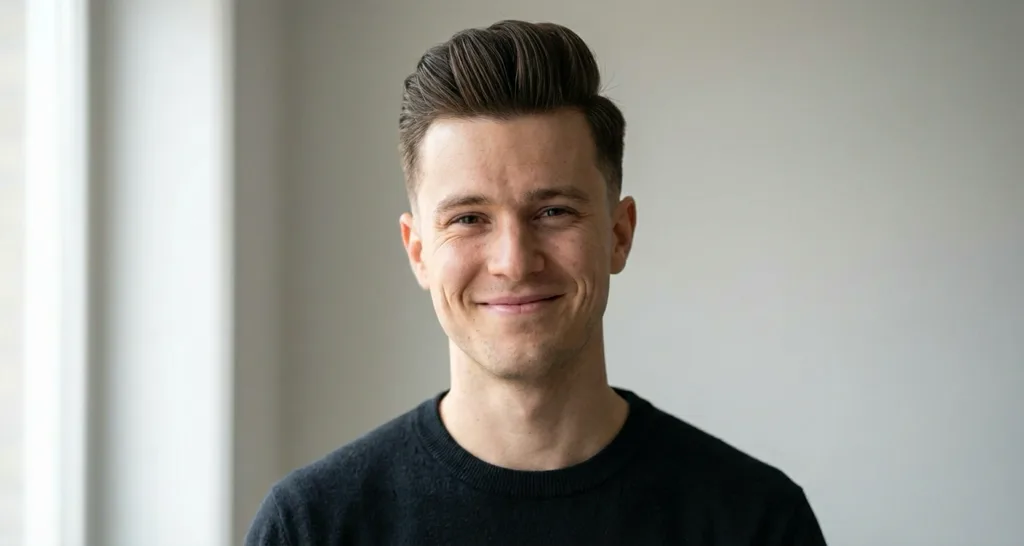
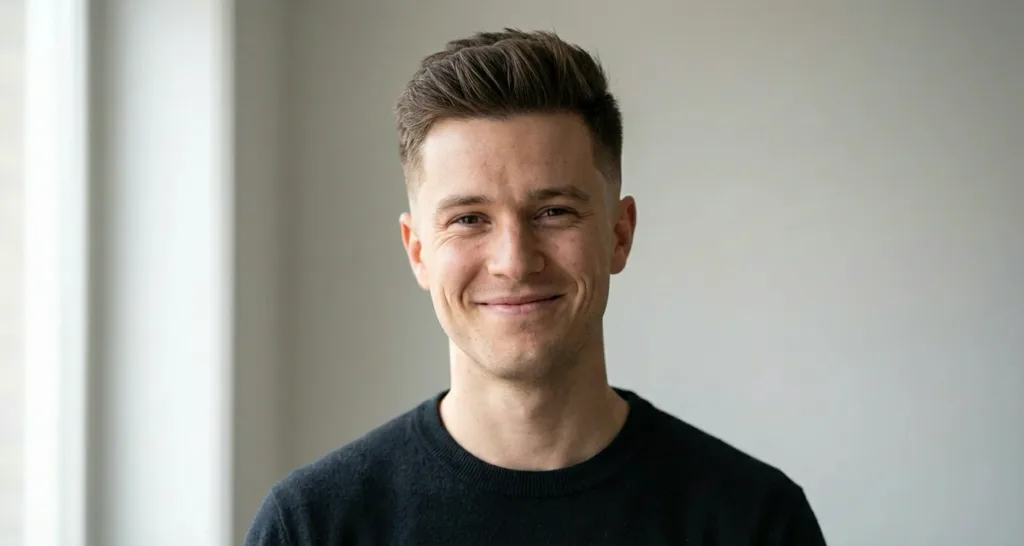
See the Transformation
Side by Side
Compare both looks in a single view
Upload your photo in the app to see your real transformation
Face Shape Guide
Slightly longer than wide — the most versatile
Add Volume Here: Anywhere
Balanced proportions mean almost any style works well.
Keep It Short Here: Extreme shapes
Very wide or very flat cuts break the natural harmony.
These are starting points — AI try-on shows you the real result on your actual face.
Why It Works
The wolf cut is a hybrid of the shag and mullet — heavy layers at the crown that cascade into longer, wispy lengths at the back and sides. On oval faces, this cut is a natural fit because the balanced proportions of an oval face handle the dramatic volume and length variation without looking top-heavy or unbalanced. The shorter layers at the crown add texture and body, while the longer back provides movement and edge. The face-framing pieces typically hit at the cheekbones, which on an oval face sits at the widest point, subtly accentuating the natural symmetry. The wolf cut reads as intentional bedhead — it is the anti-blowout for people who want style without precision.
Best for
- Oval faces that want a trendy layered mid-length
- People okay with textured, lived-in styling
Skip this if
- You need a sleek corporate one-length finish every day
Common mistakes
Over-layering fine hair into stringy ends is the usual miss. Oval faces can wear the wolf silhouette if density supports it. On a oval face the job is to preserve balance — pick vibe and maintenance, not a proportion fix — ignore that and wolf cut starts working against you.
What to ask your barber
“Wolf cut adapted to my density — not over-thinned. Oval face, keep the shaggy shape without making ends see-through.”
How to Style
- 01
Ask for heavy layers starting at the crown with shortest pieces at 3-4 inches.
- 02
Longer layers should reach 8-10 inches at the back.
- 03
Face-framing layers hit at cheekbone level.
- 04
Apply sea salt spray or texture cream to damp hair and air-dry.
- 05
Scrunch periodically while drying for natural texture.
Styling notes
Ask your stylist for heavy layers starting at the crown with the shortest pieces at 3-4 inches, gradually lengthening to 8-10 inches at the back. Face-framing layers should hit at cheekbone level. To style, apply a sea salt spray or texture cream to damp hair and let it air-dry, scrunching periodically. For more definition, use a diffuser attachment on low heat. The wolf cut looks best when slightly tousled — avoid over-brushing or blow-drying smooth, which kills the intentional texture.
Try on your photo
The wolf cut is bold and hard to undo once committed. AI try-on lets you see exactly how the layered volume and length ratio looks on your oval face before making the chop.
Preview this style on your photoFAQ
Frequently Asked Questions
Is a wolf cut the same as a mullet?
Not exactly. A wolf cut has more blended, graduated layers throughout, while a mullet has a sharper contrast between short front and long back. The wolf cut borrows the mullet silhouette but softens it with shag-like layering.
How long does my hair need to be for a wolf cut?
You need at least 6 inches overall for a noticeable wolf cut. The style works best with 8-12 inches of length so the layers have room to create the signature cascading effect.
Does the wolf cut work on straight hair?
Yes, though it looks slightly different — straight hair gives a more structured, editorial wolf cut, while wavy or curly hair creates a more voluminous, organic version. Both work well; the styling approach just differs.
You Might Also Like


Want to see it on your own face?
Open the free hairstyle previewer, upload a selfie, and compare looks before you book.
Preview styles on your photo