Ombre Hair: The Dark-to-Light Gradient That Defines Drama
A striking color transition from roots to ends—see where your perfect gradient falls.
Every 12 weeks
See the Transformation


Upload your photo in the app to see your real transformation
Color Palette
Why It Works
Ombre delivers a deliberate, visible contrast between your dark roots and lighter ends—it's bolder than balayage and designed to be noticed. The technique respects your natural root color completely, which means zero root touch-ups and a grow-out that actually looks intentional. It's especially striking on medium-to-long hair where the gradient has room to develop. Ombre also opens up creative combinations: dark brown to caramel, black to silver, auburn to rose gold—the possibilities are wide open.
Best for
- Anyone testing ombre on their own photo before booking color
- Comparing dark-to-light gradient before a salon commitment
- People who want a realistic read of maintenance: end health and harsh line blend
Skip this if
- You need a zero-maintenance color and ombre is high upkeep on your base
- You will not budget for medium; ends take the chemical load
- You are matching a filtered photo with different lighting and hair history
Common mistakes
The ombre trap is underestimating aftercare: end health and harsh line blend. The chair result fades into a hard stripe instead of a gradient if you skip it. Commitment level: medium; ends take the chemical load.
What to ask your barber
“I want ombre — talk to me about undertone (dark-to-light gradient), how much lift or deposit I need, and the real maintenance. Show me a softer and a bolder version. I can preview on my photo first.”
How to Style
- 01
Decide on the transition point: chin-level for dramatic, mid-shaft for balanced, or just the ends for subtle.
- 02
Colorist sections the lower half and applies lightener, blending upward into the natural base.
- 03
Process until the desired lift is achieved—usually 30–45 minutes.
- 04
Rinse and tone the lightened ends to eliminate brassiness and achieve the target shade.
- 05
Protect the lightened ends with a bond-repair treatment and use heat protectant before every styling session.
Styling notes
The colorist will section the lower portion of your hair and apply lightener, blending upward to create a diffused transition line. The higher the blend point, the more dramatic the contrast. Toning the lightened ends is crucial—it's what separates a polished ombre from a "grown-out dye job" look. Protect the ends with a bond-strengthening treatment since they take the most lift. A heat protectant is essential before styling, as lightened ends are more vulnerable to thermal damage.
Try on your photo
The placement of the transition line makes or breaks ombre—too high reads as regrowth, too low lacks impact. AI try-on lets you experiment with where the gradient starts and which end tone works best with your natural color.
Preview this style on your photoFAQ
Frequently Asked Questions
What is the difference between ombre and balayage?
Ombre has a more defined, horizontal gradient from dark to light, while balayage feathers color vertically through scattered strands. Ombre creates a bolder contrast; balayage looks more diffused and natural. Many modern looks blend both techniques for a soft ombre effect with balayage-like dimension.
Does ombre work on short hair?
It can, but the gradient needs at least shoulder-length hair to read clearly. On very short styles, ombre can look more like grown-out roots than an intentional color choice. For shorter cuts, a sombre (subtle ombre) with a gentler contrast tends to work better.
How do I maintain ombre hair?
The beauty of ombre is minimal root maintenance since your natural color is left intact. Focus on keeping the lightened ends hydrated with weekly deep-conditioning masks. A toner refresh every eight to ten weeks keeps the ends looking polished rather than brassy.










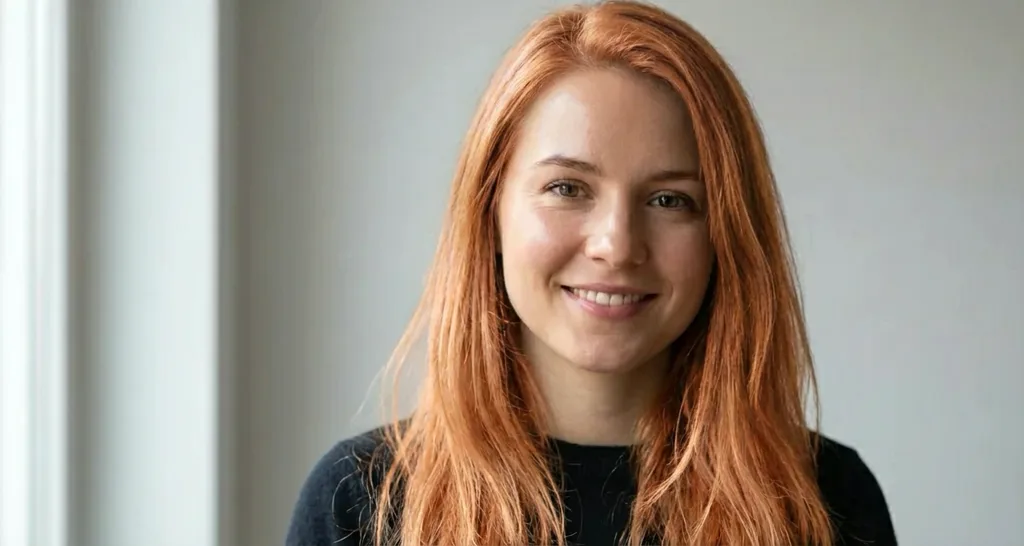
Want to see it on your own face?
Open the free hairstyle previewer, upload a selfie, and compare looks before you book.
Preview styles on your photo