Faded Beard: Seamless Blend from Haircut to Facial Hair
A smooth gradient that connects your fade haircut to your beard—see how a faded beard looks on you before your next barber visit.
Every 0.5 weeks
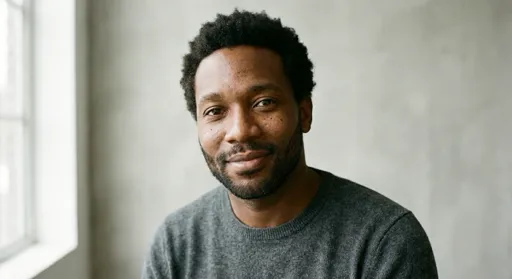
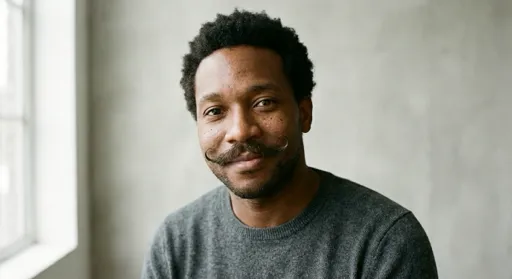
See the Transformation
Side by Side
Compare both looks in a single view
Upload your photo in the app to see your real transformation
Why It Works
A faded beard creates a seamless gradient from your haircut through the sideburns and into the beard, eliminating the hard line where hair meets facial hair. This graduated transition gives your overall look a polished, modern quality that works in both casual and professional settings. It suits virtually every face shape because the barber can adjust where the fade starts and how quickly it transitions to add or reduce visual weight. The style is especially effective when paired with a skin fade or taper haircut, creating one continuous flow from scalp to chin. It signals that you invest in your grooming without looking like you are trying too hard.
Best for
- People considering a Faded Beard and need shape rules, not only a photo
- Anyone comparing maintenance and neckline/cheek discipline
- Testing facial hair ideas on a photo before growing or reshaping
Skip this if
- Your growth pattern cannot support this outline cleanly
- You will not edge or trim on the schedule this shape needs
Common mistakes
Growing a Faded Beard without a neckline plan. Fuzzy edges make even good density look accidental. Shape and hygiene matter more than maximum length.
What to ask your barber
“I want a Faded Beard. Map cheek and neckline for my growth. Be honest if my density supports it, and set a trim schedule.”
How to Style
- 01
Visit a barber and specify where you want the fade to start and how aggressive the gradient should be
- 02
The barber uses multiple clipper guard lengths to create the gradual transition from sideburns to full beard
- 03
Between visits, maintain the beard length with a trimmer and keep the neckline clean
- 04
Apply beard oil to keep shorter fade hairs soft and flat against the skin
Styling notes
This style requires a skilled barber—the fade is created using multiple clipper guard lengths, gradually increasing from the sideburn area down into the full beard. The transition zone around the temples and cheeks is where the artistry happens, so communicate clearly with your barber about how aggressive you want the fade. Between barber visits, maintain the beard length with a trimmer set to your desired guard and keep the neckline clean. Use beard oil to keep the shorter hairs at the top of the fade soft and flat against the skin. Plan for barber visits every two to three weeks since the fade grows out quickly and loses its gradient.
Try on your photo
A faded beard depends entirely on how it integrates with your specific haircut and face shape, which makes it hard to visualize from reference photos alone. AI try-on shows the complete picture—haircut plus beard fade—on your own face so you can walk into the barbershop with a clear vision.
Preview this style on your photoFAQ
Frequently Asked Questions
Can I do a beard fade at home?
It is possible with an adjustable clipper, but the transition zone requires precise blending that takes practice. Start with a longer guard and work your way down gradually—it is easier to remove hair than to fix a too-short fade. Most men get the initial shape done at a barber and maintain it at home between visits.
How often does a faded beard need a touch-up?
The fade grows out noticeably within two to three weeks, so regular barber visits are essential to keep the gradient clean. Between appointments, you can maintain the beard length and neckline yourself. The sideburn transition area is the first to lose definition and should be your focus for at-home maintenance.
What haircuts work best with a faded beard?
Skin fades, taper fades, and undercuts all pair naturally with a faded beard because they already use gradient techniques in the hair. The key is having your barber blend the haircut fade into the beard fade in one continuous motion during the same session. Even a classic short back and sides can look elevated when the sideburns fade into the beard.
You Might Also Like



Want to see it on your own face?
Open the free hairstyle previewer, upload a selfie, and compare looks before you book.
Preview styles on your photo